The claim
The unsolicited package-tracking texts with unfamiliar links described in the Postal Inspection Service warning are official USPS delivery notices.
How this check was done
This is a retrospective review of published records, researched on 22 September 2026. It is not eyewitness reporting or a new forensic examination. The evidence record identifies what each source establishes and where our review stops.
Start with the delivery, not the link
USPIS advises checking through USPS independently rather than following an unexpected message link. [uspis] Compare what you find with the message’s claim. A logo or a plausible parcel reference on its own is not an authentication method.
Why this belongs in the evidence library
A misleading message does not need synthetic pictures or an artificial voice. The useful question is whether its claimed identity can be verified. This example illustrates why the site checks context and sources as well as media origin.
The evidence record
The organisation explains the difference from its tracking service.
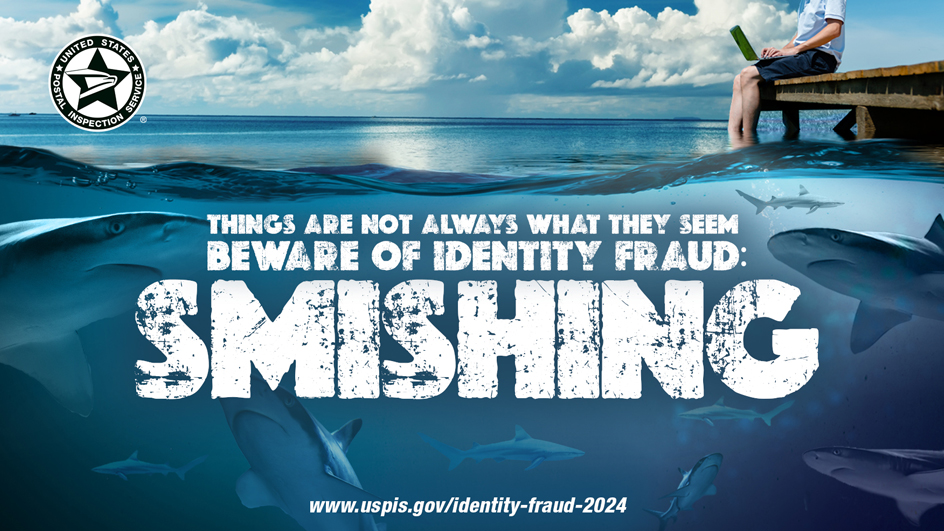
USPIS warns about unrequested tracking texts containing unfamiliar links. It says USPS text tracking requires a customer request with a tracking number, and its tracking texts do not contain a link. [uspis]
Limits: This is the published warning’s scope, not a forensic assessment of every delivery-related message.
Sources: uspis
Our conclusion
FAKE: the messages described in the warning impersonate an official delivery notice. This is not a blanket verdict on all delivery texts.
Confidence and limitations
Strong confidence in the narrow pattern identified by the organisation. A specific message may need additional evidence.
The warning concerns USPS in the United States. Do not apply its service rules automatically to another carrier or country. No AI-generation claim is made.
Methods, technical checks and limitations
Source and provenance
The source is the postal organisation’s own inspection service. No suspicious link or message sender supplied the evidence for this article.
Media analysis
We did not open a scam link, examine a live phishing site or analyse a submitted screenshot. No invented message is presented as evidence.
Metadata and technical findings
No original capture or production file was obtained. Embedded metadata was not independently examined.
Reverse-image and source matching
There is no individual submitted specimen in this check. The finding concerns the impersonation pattern described by the cited warning.
Detector and tool signals
No AI detector was run. No detector score contributes to this finding.
Independent evidence
This review relies on the service’s direct account of its messaging practices. We have not independently measured the campaign’s reach.
Sources and further reading
- Smishing: Package Tracking Text Scams
United States Postal Inspection Service · primary: postal inspection warning · Accessed 2026-09-22
Updates and corrections
- 22 September 2026 — First publication following human review.