As shared
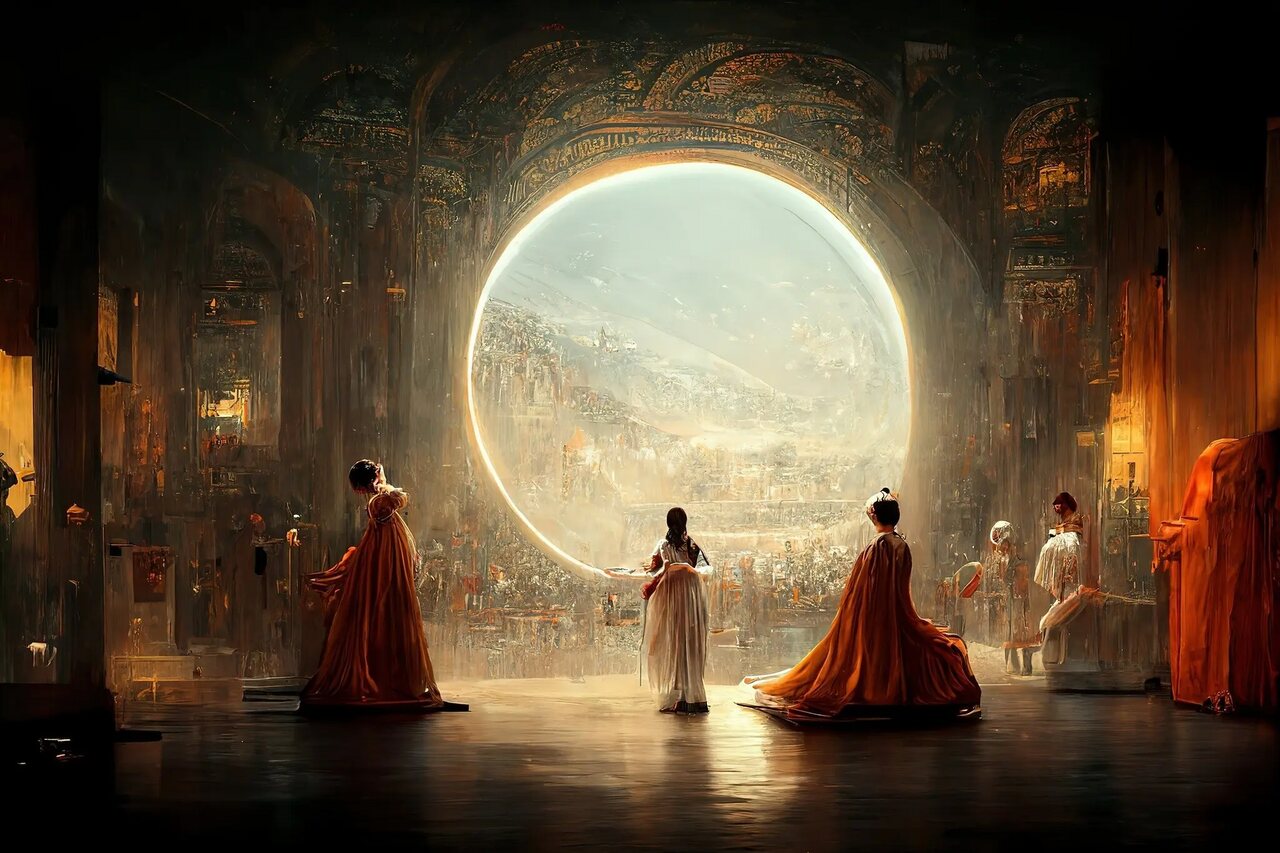
Jason M. Allen using Midjourney (2022), via Wikimedia Commons · Public domain in the US (AI-generated; copyright registration refused) · Source

A machine made this.
Based on 2 strong and 0 supporting pieces of evidence.
What we found
Jason M. Allen made this image with Midjourney, then edited and enlarged it with other software. In August 2022 it won first place in the digital arts category for emerging artists at the Colorado State Fair, which set off a worldwide argument about AI in art. Allen has always said openly that he used Midjourney. In September 2023 the US Copyright Office Review Board refused to register the image because so much of it was made by the machine.
Key facts
- Original source
- Jason M. Allen using Midjourney (2022), via Wikimedia Commons
- First published
- Not recorded
- Earlier appearances
- Not recorded
- The claim you saw
- No caption recorded
- Signs of AI
- Yes. Shown below, but not what decided it
The evidence, strongest first
Strong Decides the answer
The maker says soCNN report in which the creator describes making it with Midjourney, 3 September 2022↗Official recordUS Copyright Office Review Board decision, 5 September 2023↗Supporting Points the same way
None.
Weak Shown, not relied on
Detector scores are often wrong, so they never decide a verdict here.
What we couldn’t establish
Exactly how it was made, and with which prompts, beyond what the sources above say. If you know more, tell us.
Bottom line
Made by AI: the maker says so.
Was this explanation useful? ·
0% of players were fooled
How to check something like this yourself
- Search for the picture itself. Put it into Google Lens or TinEye and look for the oldest and sharpest copy.
- Find who posted it first. See what they said about it and what else they post. Makers of AI pictures often say so, and that label is lost when the picture is copied.
- Look for a fact-check. Search the main claim with the words “fact check”. Anything widely shared has usually been looked at.
- Then look closely. Zoom in on hands, writing, edges and the background.
Full guide: How to reverse-search a picture.
More like this
 AI-MADE
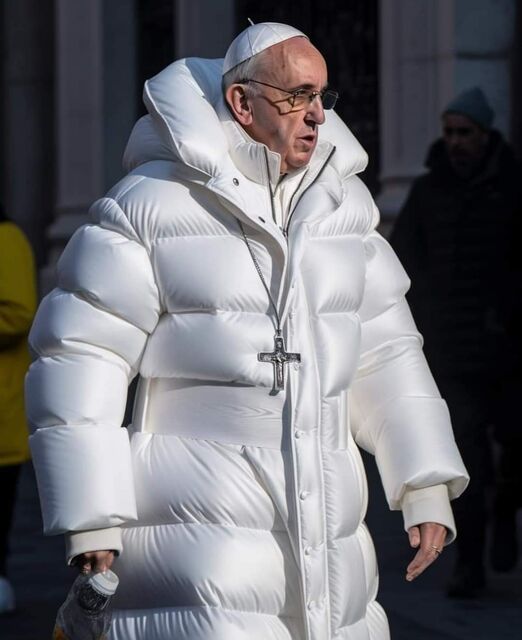
Pope Francis in a white puffer jacket
See the proof ↗VIDEO SHARED ON XReal or AI?AI-MADEA humanoid robot in a hospital gown runs through a street café as police chase it
See the proof ↗VIDEO SHARED ON XReal or AI?AI-MADEA view from a plane window into the eye of a giant storm
See the proof ↗PICTURE SHARED ON XReal or AI?AI-MADEFive film stars at a seaside barbecue, said to be Malibu in 1965
See the proof ↗Five new pictures every Friday.